Combating loneliness epidemic through random acts of social connection
Group deploys volunteers across Washington to hand out connection cards and engage strangers
WASHINGTON (Aging Untold) — A group is trying to combat loneliness, one random act of social connection at a time.
One in two American adults say they experience loneliness, according to Becca Bernstein, chief community and operations officer for Belong Center, a nationwide nonprofit working to address what she calls a loneliness epidemic.
“I think to myself, what issue affects literally 50% of American adults?” Bernstein said.
Health risks tied to social disconnection
Bernstein said social disconnection carries serious health consequences, including increased risk of stroke, heart disease, depression and death.
“I think a lot of people think of loneliness and belonging as these sort of fluffy, nice to have issues,” Bernstein said. “These aren’t nice to have issues. These are at the crux of our health and our well-being.”
How the activations work
Belong Center volunteers gathered for what Bernstein called a “social connection core activation” before heading out across Washington, D.C.
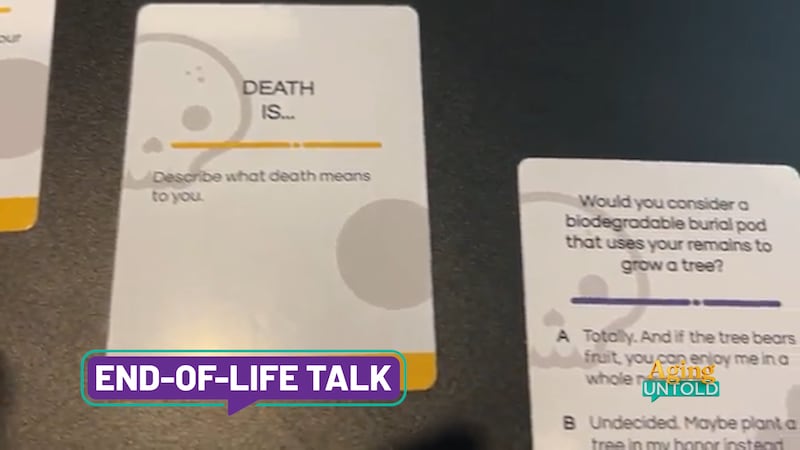
One team boarded public transit, handed out connection cards and organized a game of Pictionary with riders. A second team worked on the streets, engaging passersby and distributing the same cards.
Bernstein said life transitions — including breakups, divorce, deaths and moving to a new city — can leave people feeling like they don’t belong.
Small action can have a larger impact
Bernstein said individuals can conduct their own “RASCALs” — random acts of social connection and love — without joining a formal group. She suggested visiting an elderly neighbor or calling an old friend.
She described one example from the Belong Center community in which a volunteer bought a stranger a cup of coffee. The recipient became emotional.
He said, ‘You know, my dad’s in the hospital. It’s almost like you knew, but I didn’t think anyone cared. But in this moment, I feel like someone cares," Bernstein said, relaying the story of what the man told the volunteer.
Copyright 2026 Gray Media Group, Inc. All Rights Reserved.