Expert warns drivers after 11-foot alligator stops traffic on I-75 in Paynes Prairie
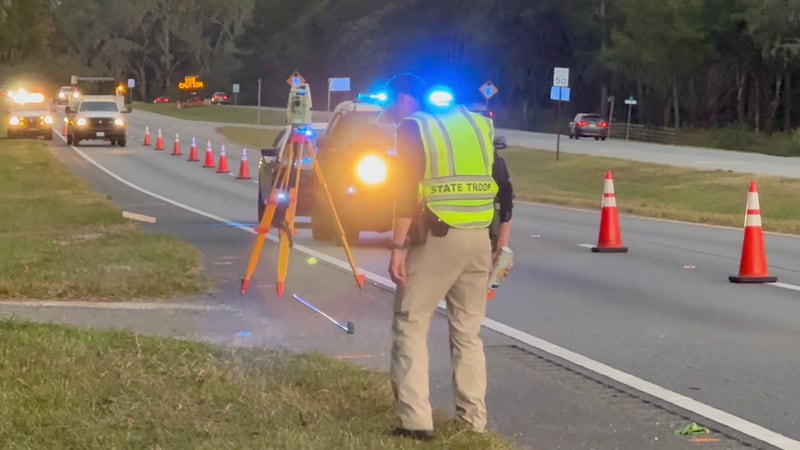
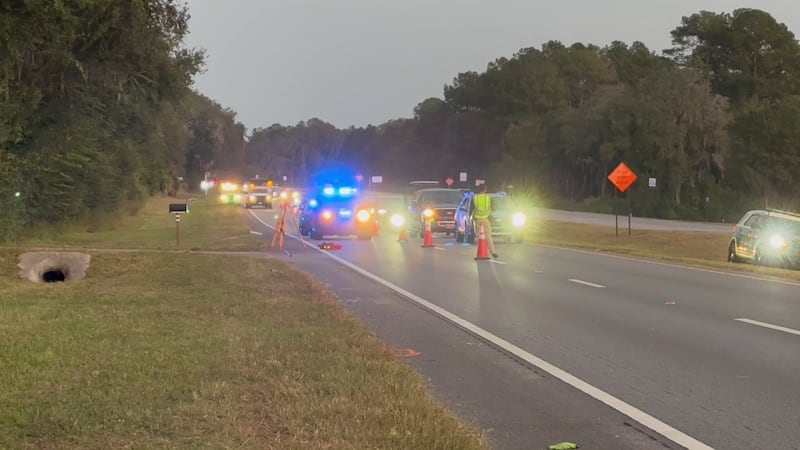
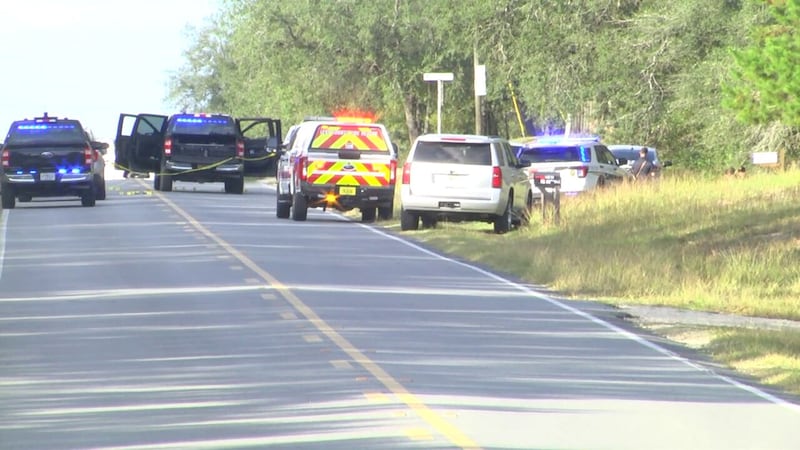
GAINESVILLE, Fla. (WCJB) — An 11-foot alligator brought Interstate 75 to a standstill Sunday afternoon, backing up traffic to Butler Plaza before the animal moved on and lanes reopened.
The gator appeared on the highway around 2 p.m. Delays were short-lived, but interest in the animal continued after the road cleared.
What should drivers do?
Dr. Frank Mazzotti, a University of Florida alligator expert, said drivers who encounter a gator on the road should stop and wait.
“Do not try to move the alligator. This isn’t like a little turtle crossing the road where you might be prompted to get out and give it a hand,” Mazzotti said. “Do not do that.”
Mazzotti said drivers should navigate around the animal if possible and avoid running over it at all costs, noting the gator will do far more damage to a vehicle than the vehicle will do to the animal.
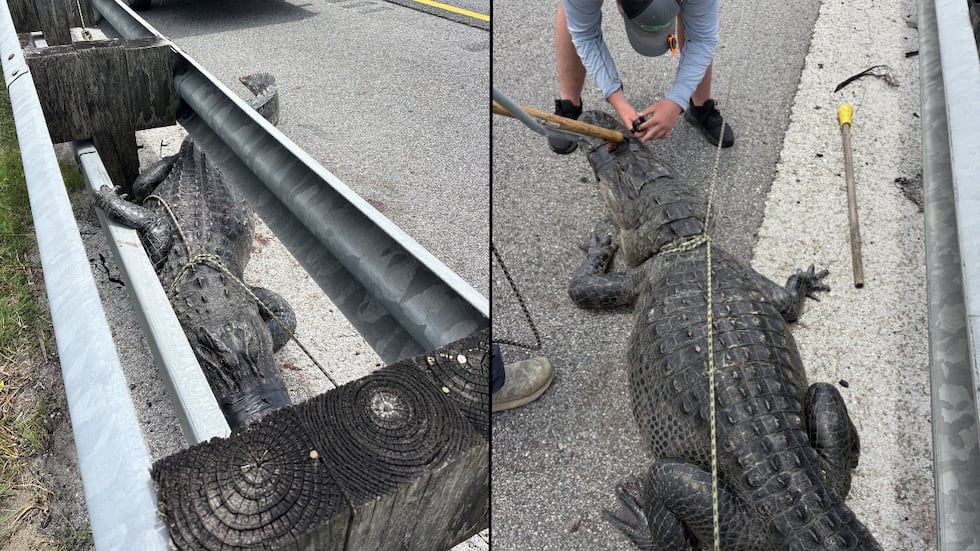
RELATED: 11-foot gator shuts down I-75 near Gainesville
Sarah Kinsch, visiting from Philadelphia, said she would follow that advice.
“Personally, I would stop, and I want to see where he wants to go, and I would just wait and see where they want to go. I’m not going to get out and tell him to move; I’m just going to give him his space,” Kinsch said.
Mazzotti said drought conditions combined with recent rainfall could have influenced the alligator’s decision to cross the road. Florida Fish and Wildlife Conservation Commission (FWC) officials provided a similar explanation to TV20.
“Much of Florida is currently experiencing a severe drought, which lessens their habitat availability. The drought combined with warm weather causes alligators to be more active and visible,” FWC officials stated.
Recent alligator attacks in Florida
Mazzotti said he does not see evidence of increased aggression among alligators in the area, despite a recent string of attacks, including one that killed a woman in Seminole County. He said risky behavior such as swimming or fishing in areas where people were told not to could have been a contributing factor in those cases.
RELATED: DNA testing confirms 13-foot alligator killed Brittany Clark in Seminole County
Mazzotti also said that while public interest in gator attacks tends to spike, there are often stretches of years with few or no major incidents and little coverage, and that the numbers tend to even out statistically over time.
FWC gator guidance
FWC provided the following guidance for people encountering alligators in Florida:
- Keep a safe distance if you see an alligator. If someone is concerned about an alligator, they should call FWC’s toll-free Nuisance Alligator Hotline at 866-FWC-GATOR (866-392-4286), and we will dispatch a contracted nuisance alligator trapper to resolve the situation.
- Keep pets on a leash and away from the water’s edge. Pets often resemble alligators’ natural prey.
- Swim only in designated swimming areas during daylight hours and without your pet. Alligators are most active between dusk and dawn.
- Never feed an alligator. It’s illegal and dangerous. When fed, alligators can lose their natural wariness and instead learn to associate people with the availability of food. This can lead to an alligator becoming a nuisance and needing to be removed from the wild.
Click here to subscribe to our newsletter.
Copyright 2026 WCJB. All rights reserved.