AI in grocery stores: What shoppers need to know about pricing, privacy and data
Tech experts say artificial intelligence can be an advantage for stores and customers
Richmond, Va. (InvestigateTV) — Kimberly Roberts has turned grocery-store savings into a lifestyle.
“I think I got it from my grandfather, he was raised in the depression,” Roberts said. “He was always our savvy saver in the family.”
Her approach started years ago. Roberts began clipping coupons after her husband retired from the Navy. And after living in Europe for almost 14 years, she said saving money became second nature.
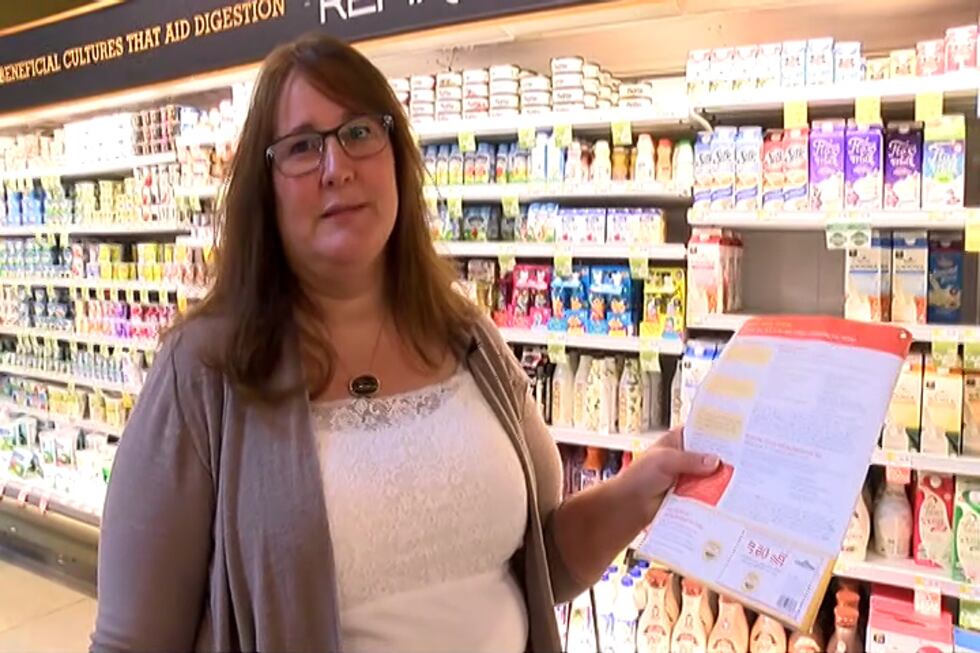
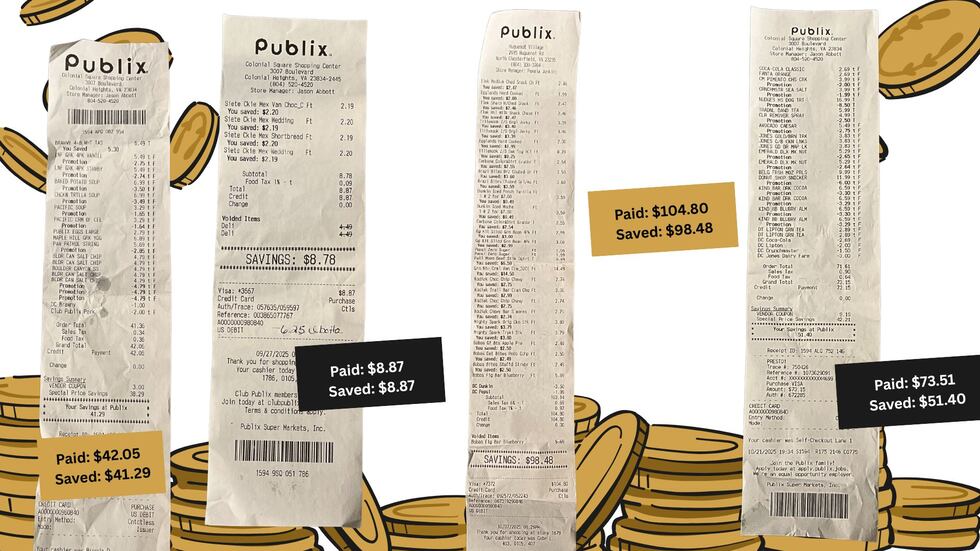
She now aims to save at least 50 percent every time she shops. On a recent $71 shopping trip, she walked out paying just $19.60.
“If I don’t save 50 percent, [it] gets a little touchy,” Roberts said.
Her discipline shapes nearly every purchase her family makes.
“From the time I get up in the morning to the time I go to bed, we don’t buy anything without thinking about it twice,” she said.
But the once-familiar rhythm of Sunday coupon clipping has faded.
“The days of the binder and the clipping coupons every Sunday morning, those are bygones,” she said.
Her savings strategy now happens mostly on her phone. She jumps between apps, comparing weekly ads and planning her trips based on which stores release the best deals. But even this digital routine is changing as artificial intelligence (AI) plays a larger role in how stores set prices and target promotions.
The rise of AI in the aisles
Beyond pricing, AI is being woven into nearly every part of modern grocery operations, from stocking decisions to store layouts to how quickly shelves get updated.
Nearly 60 percent of U.S. consumers use digital coupons, according to consumer survey research company Statista. Two in ten say digital deals influence the products they buy.
As the market evolves, more grocery chains are leaning on AI to personalize discounts and better forecast demand.
Walmart announced in 2024 that it will add digital shelf labels to 2,300 stores by 2026. The company said the electronic price tags make it easier to update prices and manage inventory. It also shared in a press release that it is partnering with OpenAI to develop what it calls “AI-First Shopping Experiences.”
Kroger has used similar digital labeling technology since 2018 and has expanded it to 500 stores nationwide. The labels are also found in Amazon Fresh and Whole Foods locations.
Other retailers are testing different forms of AI as well. Sam’s Club, for example, is piloting overhead cameras at store exits that scan carts as customers leave, verifying payment and removing the need for manual receipt checks.
These tools allow stores to update prices quickly and manage inventory more efficiently. They also raise concerns about how often and how quietly prices may change.
Lawmakers warn about price fluctuations
Last year, several U.S. lawmakers, including Sen. Elizabeth Warren of Massachusetts and former Sen. Bob Casey of Pennsylvania, warned that digital shelf labels and new pricing systems could open the door to dynamic pricing, with groceries potentially shifting in cost multiple times within a single day.
In a letter to Kroger’s CEO, lawmakers said the technology “may enable Kroger and other grocery chains to transition to dynamic pricing” and that “increased use of dynamic pricing will drive company profits higher, leaving consumers with the bill.”
Rep. Rashida Tlaib also expressed concern that such tools could be “abused in the pursuit of profit, surging pricing on essential goods, in areas with fewer and fewer grocery stores.”
Kroger has publicly denied using dynamic pricing.
InvestigateTV reached out to all major grocery chains seeking additional information on their use of AI, but did not receive a response.
Experts say ‘surveillance pricing’ is already emerging
Dr. Shital Thekdi, professor of analytics and operations at the Robins School of Business at the University of Richmond, said dynamic pricing is not entirely new for shoppers.
“The price of gas changes maybe multiple times a day, and we’ve become accustomed to it,” Thekdi said. “I think many of us are less accustomed to that happening in a grocery store, like seeing the price of milk change multiple times a day.”

She said some of the newer data-driven strategies are often referred to as surveillance pricing, where stores use the information they collect about shoppers to influence what people pay. In some pilots, this even includes pairing AI with facial recognition to identify returning customers.
According to Thekdi, surveillance pricing generally appears in two forms. The first is digital shelf pricing, where the price on the tag can be updated quickly and is the same for everyone in the store. The second is personalized pricing, where the amount a shopper pays can vary based on information gathered through loyalty cards, store apps or browsing history.
Thekdi said the concern is how far such technology could go. For example, if a shopper buys the same cereal every week, an algorithm might recognize that pattern and quietly raise the price for that customer alone to increase profit.
“I think many of us just see the front end of it, which could be the apps that these grocery stores want us to download on our phones,” she said. “It could be loyalty programs; it could be specialty pricing and discounts that we see. And we may not see what’s happening behind the scenes or under the hood when it comes to what’s driving the AI and these algorithms.”
Although she believes facial recognition may not give stores much information beyond what they already collect on customers’ devices, she said the most active area of experimentation is in digital rewards and customized e-coupons.
“These coupons may be for products that the algorithms think we want, or we would be interested in, maybe pointing us towards items that are a bit more expensive than we would normally purchase.”
From her own research, Thekdi believes AI can be used in ways that help some shoppers and disadvantage others, depending largely on how comfortable people are with retailers collecting and analyzing their data. She said it is still too early to see strong guardrails in place to protect consumers and their information.
“Some of us may have concerns about being tracked, about the information that these retailers and all of our other apps and accounts are collecting on us, and using to present items or personalized pricing to us,” Thekdi said. “There are some who may find this experience of using AI very rewarding, and by rewarding, I mean they may get good deals.”
Consumer advocates weigh benefits and risks
Ben Winters, director of AI and privacy at the Consumer Federation of America, said AI can benefit shoppers if retailers use it responsibly.
“I think you can be nervous and skeptical about the way companies are going to use AI, but I think inherently I feel like the technology itself can be used well and be used in a way that’s not concerning or scary,” Winters said.
The real issue, he said, is what data companies collect, how they use it, and whether they share or sell it.
“A lot of concerns with AI is how data is collected and used, and you can’t have AI without data,” he said. “The privacy thing is really essential; you can’t have AI regulation without privacy regulation.”
Currently, 20 states have privacy laws, including California and Florida. But there is currently no federal privacy law governing how retailers collect or use customer information.
Thekdi said AI can work to the advantage of both retailers and shoppers.
“The use of AI or just using data gives a competitive advantage to the stores, and it also give a competitive advantage to the customers if a customer has the time and energy to put into it,” she said.
How shoppers can protect their privacy
Experts say consumers who are concerned about AI-driven pricing can take a few steps:
- Opt out of loyalty programs
- Pay with cash when possible
- Adjust privacy settings on phones, apps, and browsers
Roberts said she is comfortable with the direction stores are heading.
“I think I’m okay with it,” she said. “Our data’s being used every day. We are on camera every day. Everything we do, we are being tracked. If you have a phone in your possession, you are being tracked constantly. So no, I’m not worried about it. I’d rather use that to my advantage.”
She encourages families to start small by learning store sales cycles and focusing on one grocery store and one drugstore to build a consistent savings routine. Over the years, Roberts has also shared her strategies with others, teaching classes in her community to help families stretch their grocery budgets.
Her own savings have added up. After years of using apps, coupons, and digital tools, Roberts recently purchased a car in cash.
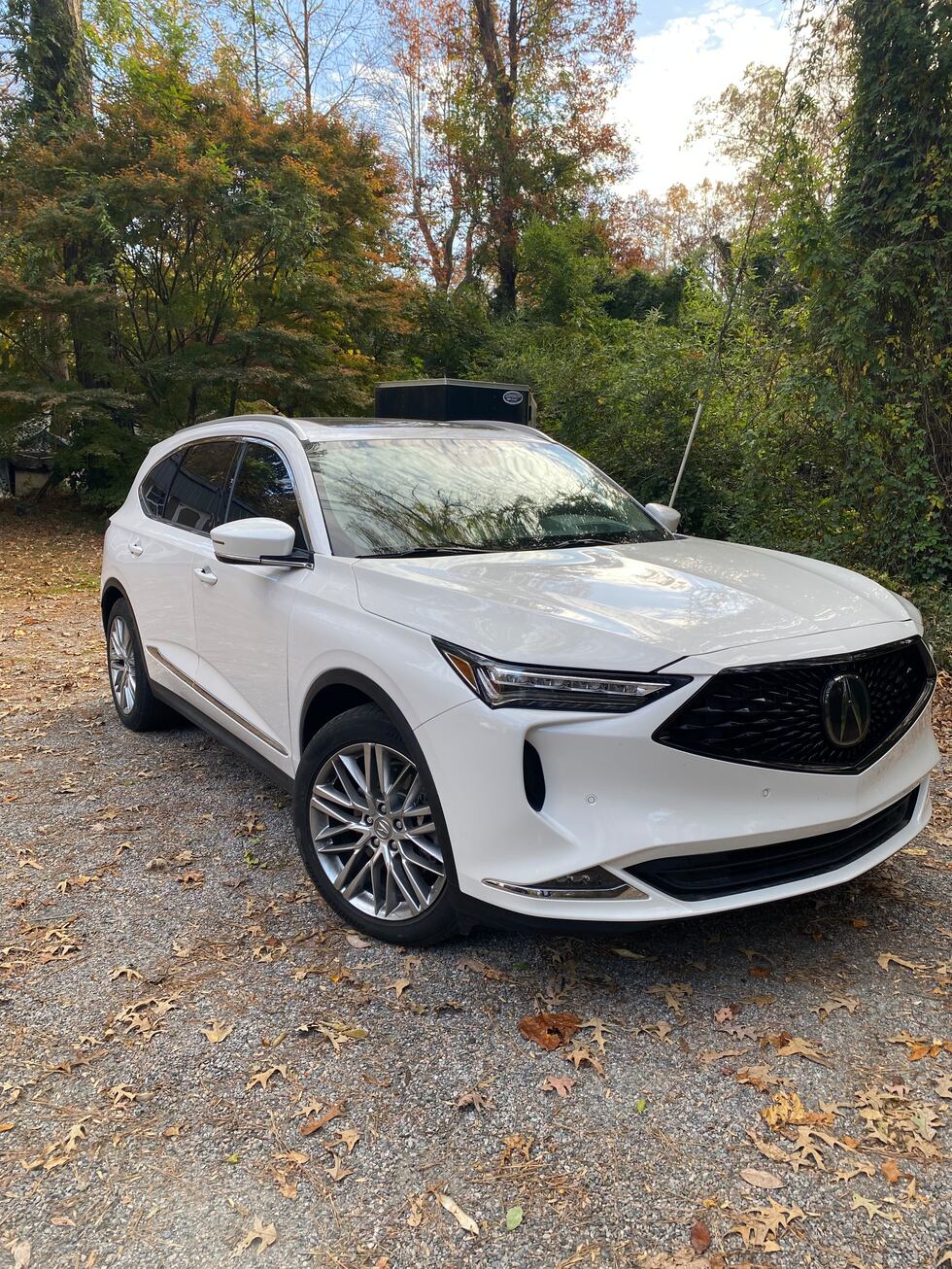
“I’m a numbers girl. I’m a cheapskate,” Roberts said, laughing. “I’m just straight up cheap,” but when asked if her approach has led to good results, Roberts said, “It has, it has led to good.”
Copyright 2025 Gray Media Group, Inc. All rights reserved.