Whistleblowers warn lives could be lost because military doctors aren’t ready for action
Flagship military hospital Walter Reed lacks trauma center status that doctors say tests skills, shows high competency
(InvestigateTV) — Whistleblowers from within military medicine as well as experts with extensive prior experience in military healthcare, are issuing a dire warning as the United States deals with conflict in Iran. They say military doctors aren’t ready for action, and the failure to prepare them with adequate exposure to complex surgeries and training could result in preventable casualties.
Whistleblowers are issuing a dire warning about the state of military medicine as the U.S. deals with a conflict in Iran. Military insiders and healthcare experts say doctors are ill-prepared to handle complex cases and lack experience that could lead to preventable casualties.
Their statements on the stark realities about military medical readiness come following an InvestigateTV analysis of surgical volume data at military hospitals across the country.
That investigation found most military treatment facilities aren’t performing certain high-risk but common surgical procedures. And the few hospitals that do perform those surgeries aren’t hitting recognized minimum volume standards – with some facilities carrying out certain procedures only a handful of times each year.
The issue of lagging surgical volume in military medical facilities is a problem that prompted whistleblowers from various branches of service to contact InvestigateTV through an online survey. The survey asked respondents to share their personal experiences in military medicine – with many weighing in with concerns about the lack of repetition for military doctors and surgeons, as well as the teams that provide support in the operating room.
Following our October 2025 investigation, InvestigateTV spoke with two military doctors – one active duty and one recently out of service - willing to go on the record about their own experiences if we agreed not to show their faces or disclose their identities out of concern for repercussions they might face for sharing insider information.
The two have different medical specialties, different experience levels, and came from different branches of the military. But they told InvestigateTV nearly identical stories about shortcomings in military medicine and training that could result in injuries and deaths in conflict, and here at home.

“You sign up in the military knowing that you could give your life for your country. But you shouldn’t have to give your life for your country because your surgeon doesn’t know what they’re doing,” one of the whistleblowers said.
The whistleblower who made that statement is a high-ranking, active-duty Army surgeon risking his career to highlight problems he’s seen on the job after serving for more than 10 years, including in combat.
The other is a physician now working in private practice. He served as a major in the Air Force and sought release from the military following years of frustration about the lack of surgical repetition and frequency, he says he experienced in service.
He said, “I was surprised at how little exposure to the actual hands-on medicine, the things that you were expected to do if deployed into a hostile area, and the resistance that I got, you know, when you tried to pursue it on your own.”
War in Iran intensifying concerns about military medical readiness
With tensions high around the globe, and the war in Iran already causing American casualties, the whistleblowers and other military medical personnel who spoke to InvestigateTV said their worries about readiness have been brought into sharper focus.
“I really feel like there’s folks that probably could be saved that won’t be,” the former Air Force physician said.
The fear about the potential for preventable deaths for American service members comes because military medical personnel aren’t prepared, not getting the critical repetition needed solely from cases in military hospitals and clinics, according to InvestigateTV sources.
It’s a problem that one whistleblower said that he personally vocalized up his chain of command. “When I brought up the medical concerns that we’ve been discussing, I was kind of told to pound sand.”
The Army surgeon told InvestigateTV he’d done just four surgeries in the last five months at the military treatment facility where he still works. “Sometimes people are given one day a month in the operating room,” he explained. “And you have to split that with your other colleagues.”
To get the experience many service members say is critical, military personnel often must go outside the system – utilizing something called off-duty employment. But the process of obtaining permission requires jumping through numerous hurdles that may take months to complete. Ultimately, the decision, whistleblowers and others said, often rests with leadership on base.
“Depending on who’s a commander, they may not want you to be off base. They may want you to show up and do your 10 hours of computer-based training and take care of one patient,” the Air Force veteran said. “I had plenty of time to drink coffee, do computer training, and see one or two patients a day, go down to the gym and work out, and call that my quote-unquote readiness PT (physical training). But in terms of clinical care and skill, it’s a giant waste of time.”
That whistleblower said he felt his command actively worked against his efforts and the efforts of other physicians to get additional training and experience – with little care about whether medical personnel were prepared for conflict.
The Army physician echoed that experience, saying he believed leadership viewed off-duty employment as “surgeons just being greedy” rather than seeking a higher level of competency.
He said he frequently used his vacation time to work at different hospitals, “I signed up to be a military surgeon, and I want to be an adequate military surgeon. I don’t want to go into six, seven different hospitals in order to get the case volume to do my job in the military,” he said.
Military medical readiness concerns shared with Congress
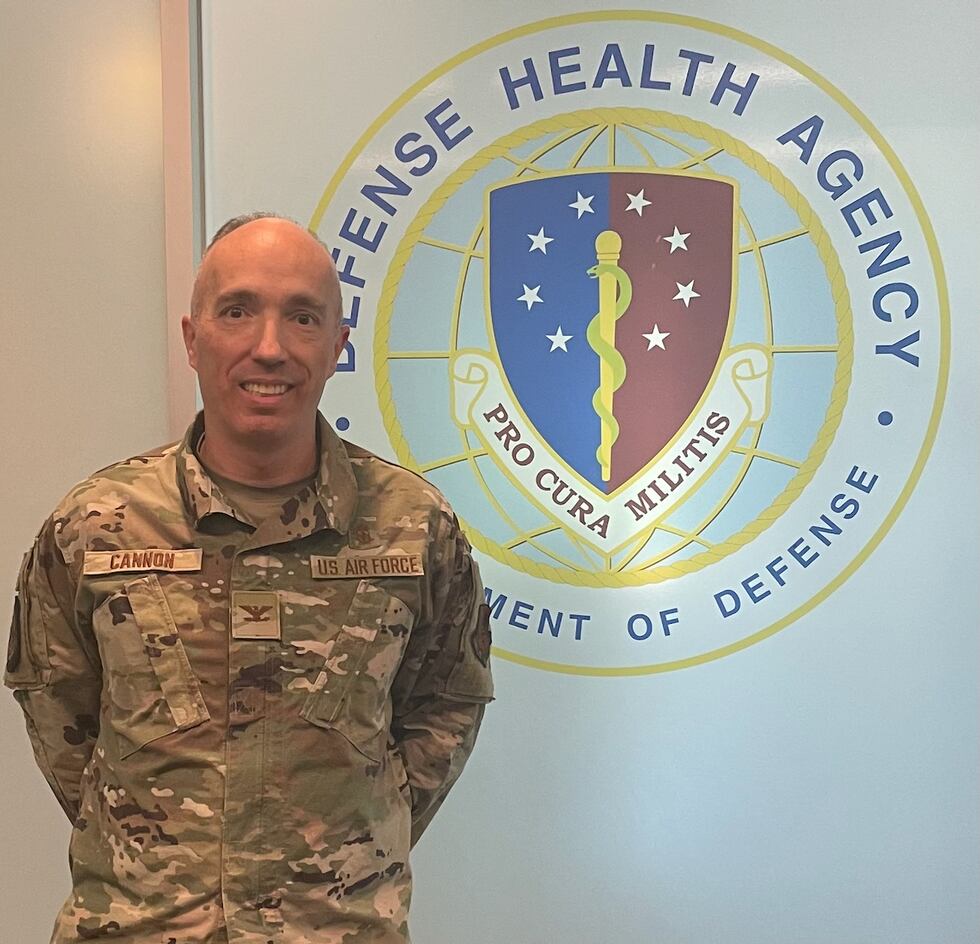
Anonymous whistleblowers aren’t the only ones trying to shine a light on the stark realities of unprepared military medical personnel who may be sent into conflict. Dr. Jeremy Cannon, a retired Air Force colonel and trauma surgeon who served in Iraq and Afghanistan, brought the issue center stage during a Congressional hearing last year.
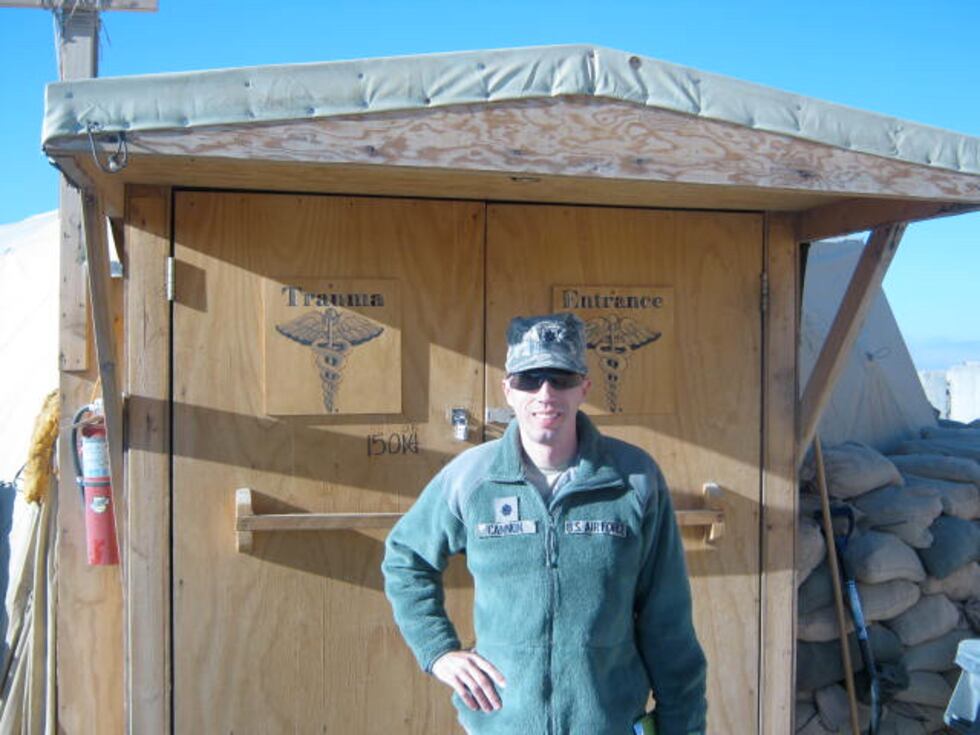
In his March 2025 testimony, Cannon, who now works at the Hospital of the University of Pennsylvania, told members of Congress, “Today only 10% of military general surgeons get the patient volume acuity and variety they need to remain combat ready.”
His statement comes from a 2021 study from the Journal of the American Medical Association, which examined surgical volume and readiness for military surgeons. It found that about 90% of the military’s general surgeons don’t meet knowledge, skills, and ability metrics for readiness – which are an indicator of whether physicians can confidently and competently serve in action.
“I’m not sure that the American public is really aware of this. So, we’re trying to sound the alarm. It is a truly wicked problem,” Cannon said in an interview with InvestigateTV, signaling that a lack of preparedness could lead to deaths of American service members in conflict.
Cannon also highlighted low surgical volume at military treatment facilities as a massive contributor to failures in readiness – something InvestigateTV reported as part of its October investigation.
“In fact, I would say it’s impossible without those contacts with severely injured, high acuity patients in a high number. You’re just not going to be at a high level of expertise that you need to then succeed in an austere combat environment,” he said.
Civilian partnerships are key to military medical readiness
Cannon, who also serves as assistant dean for veteran affairs at Penn Medicine, is doing his part to help military physicians get the hands-on experience they need. He leads a partnership between Penn and the Navy, where teams of military surgeons and other medical personnel work alongside its trauma staff.
“That experience in the civilian trauma setting, I saw a unique and really invaluable opportunity for military trauma training,” he said. “Getting the team members all up to the same shared mental model, same level of expertise, before they go out and deploy.”
The Penn Medicine partnership with the Navy is now in its second phase after what both called a successful three-year run that began in 2021. But to be combat-ready, Cannon says, programs like Penn’s should be used as a model and expanded to scale – with dozens of military teams given the same exposure just a handful get through the current program.
A 2025 article from the Journal of the American Medical Association bolsters Cannon’s argument. It points out the need for proactive collaboration between the military and civilian hospitals to ensure military personnel have the skills they need for war. The failure to prepare, the author said, “Will be paid in delayed care, overwhelmed clinicians and preventable loss of life.”
The military health system, as well as individual branches of service, does have specific programs to help doctors get exposure and training – not just in civilian hospitals, but also VA facilities that may see more complex patients. But those programs are far from universal.
In an emailed statement provided in response to InvestigateTV’s questions about partnerships, a representative from the Military Health System said, “Over the past several years, the Department of War and Department of Veterans Affairs have been strengthening partnerships in an effort to increase clinical case volume for our providers, providing more complex care to veterans, and increasing efficiency by maximizing the use of our existing medical facilities.”
The representative said there are nearly 200 sharing agreements between the Department of War and the VA, which give military physicians more access to complex patients – pointing to successful partnerships in Maryland, Texas, and West Virginia that have increased clinical workloads and given surgeons hundreds of additional cases.
In its statement, the Military Health System also highlighted work done in tandem with civilian facilities including University Medical Center of Southern Nevada, Kerkorian School of Medicine at University of Nevada, Las Vegas and Cooper University Health Care in Camden, New Jersey, as well as Navy specific partnerships with Cook County Health near Chicago and the Navy Trauma Training Center at Los Angeles General Medical Center.
Training lacking within military system, flagship Walter Reed lacks trauma status
Those partnerships are essential for readiness, given that trauma experience within the military health system is highly limited. Whistleblowers and experts told InvestigateTV that training is limited not only because military hospitals don’t see enough patients, but also generally don’t see challenging patients that test doctors’ skills.
Currently, there is only one military facility listed as a Level I trauma center by the American College of Surgeons – which handles verification of whether trauma centers have met certain standards, such as having dedicated trauma surgeons available 24/7 and immediate access to certain specialties. Brooke Army Medical Center in Texas is the only facility with that specific trauma verification within the U.S. Military Health System.
Additionally, only a handful of military hospitals are verified to handle Level II trauma patients. Those facilities still have to meet rigorous benchmarks for trauma care, but don’t have the same requirements for mandatory education and research that exist for Level I centers.
InvestigateTV discovered one of the most prominent of the military’s Level II hospitals- Walter Reed National Military Medical Center – is not verified to meet trauma center standards through the American College of Surgeons and hasn’t been since 2023.
A spokesperson for the Military Health System said a decision was made to relinquish verification from the American College of Surgeons that year after seeing a significant decline in the volume of trauma patients. The agency says it is working to reestablish its status this spring and that the facility is “fully capable of providing world-class care to our nation’s service members, beneficiaries, and patients, and continues to play a critical role in the Military Health System’s trauma and readiness mission.”
Asked about what message it sends if the military’s flagship hospital doesn’t meet trauma standards, Cannon – the retired combat surgeon who voiced his concerns to Congress told InvestigateTV, “I think it’s the marker of a system that’s under stress and one that needs urgent attention.”
Calls for action to improve readiness have gone unheeded
Following his testimony last year, Cannon says there’s been little response about the concerns he highlighted – including the military’s lack of medical readiness, the need for greater surgical volume, and expanded training opportunities.
Efforts to obtain Congressional or official military reaction to InvestigateTV’s findings on similar topics have also been met with relative silence.
Since October, we have repeatedly contacted more than a dozen members of Congress, the Department of Defense, Defense Secretary Pete Hegseth, the Defense Health Agency, individual branches of service, their surgeons general, and others in military leadership – requesting interviews and asking about low surgical volume, limited training, and impacts on combat readiness.
Only the Navy, the Army and the U.S. Military Health System, responded. But none agreed to on-camera interviews, instead providing emailed statements that often failed to directly answer our detailed questions.
The military said in its statement: “The Military Health System’s number one priority is readiness to ensure that our military forces are ready for combat. Our system is and remains the only medical system in the United States that goes to war. Our doctors, nurses, technicians, and support staff must be fully ready to deploy and provide care to our forces at a moment’s notice, anywhere in the world.
With this mission come very real challenges. We must ensure that our physicians and medical support staff have the opportunity to hone their skills to ensure their readiness. But we also know that the majority of our population is a relatively healthy one compared to the civilian population. A long-standing challenge for the MHS is the reduced level of complex care being delivered at our hospitals and clinics, and ensuring our surgical teams have opportunities to perform complex surgical procedures.
We’ve delivered visible gains in readiness-focused partnerships and have begun re-attracting care where applicable to our military hospitals and clinics to increase case volume. We are planning to increase assignment of active-duty medical providers to the larger readiness-generating military hospitals that see more patients.”
In its response, a Navy spokesman highlighted additional civilian partnerships with hospitals in Florida, North Carolina and Ohio – as well as the Naval Expeditionary Medicine Warfighter Development Center (NEMWDC), which works to enhance the operational readiness of its medical forces. (see full statement below)
An Army spokesman also detailed efforts to provide critical training opportunities for its physicians - pointing to the Army Medical Department Military-Civilian Trauma Team Training (AMCT3) program, which puts medical personnel in nine specific wartime specialties into Level I trauma centers across the country including Harborview Medical Center in Seattle, Vanderbilt University Medical Center in Nashville and Grady Memorial Hospital in Atlanta. (see below for responses to InvestigateTV’s specific questions)
Solving the readiness crisis
For his part, Dr. Cannon sees solutions to the military’s readiness problem. In addition to increasing partnerships, he says the military needs to develop more of its treatment facilities across the country into integrated trauma centers that see both service members and their families as well as civilians. That would increase volume and variety – greatly impacting the experience of military physicians.
“We have to act with urgency, with clarity, and with a lot of energy to turn this around,” he said.
Until there’s a significant shift in surgical volume and hands-on experience, the whistleblowers who spoke with InvestigateTV say it will be up to military physicians to take steps to prepare themselves – seeking outside opportunities to fill the void in experience and make sure they’re ready to answer the call of duty.
The Army surgeon admitted there’s a chance he may eventually face discipline because of his efforts to seek the off-duty experience he says is critical to be a competent surgeon. “I will get in trouble, but at least I can sleep at night knowing that I’m doing the right thing for the people that I trained to serve.”
Full statement from Captain Bill Urban, spokesman for the Navy Bureau of Medicine and Surgery:
“Medical Readiness from a Navy Medicine force generation perspective includes measurable clinical and operational competencies required of Navy Medicine personnel to effectively perform assigned roles across the full spectrum of care, ensuring readiness to support expeditionary operations, contingency response, and beneficiary care in both peacetime and combat environments. Navy Medicine providers and expeditionary teams work diligently to sustain and enhance their knowledge and skills at military treatment facilities (MTFs) every day, so they are prepared to deploy and support our warriors.
Where gaps develop in skills sustainment at Navy military treatment facilities (MTFs) with a lower volume of mostly healthy patients, Navy leadership works to develop innovative mitigation strategies to close those gaps and expand skills sustainment opportunities. Navy Medicine-Civilian Partnerships are an important means of increasing opportunities for both Navy Medicine teams and individual practitioners. These partnerships, which allow practitioners to gain critical experience and sustain skills, are managed at both the Navy Medicine Enterprise level that support teams across the force, and at the regional and local level.
The Navy Medicine Enterprise coordinates extensive trauma training for deploying Navy Medicine teams at the University of Pennsylvania (UPenn), Cook County Health, and the Navy Trauma Training Center (NTTC) at Los Angeles General Medical Center. Regional Navy Medicine commands also coordinate team training for Fleet Surgical Teams at Harbor-UCLA, UC Irvine, and Virginia Commonwealth University.
At Cook County Health and UPenn, there are currently four Expeditionary Resuscitative Surgical System (ERSS) teams assigned full-time, with a fifth team to be assigned this summer. Both locations also have an embedded trauma surgeon and perioperative nurse who facilitate the team integration within the civilian trauma centers. Each ERSS team is comprised of one general surgeon, one emergency medicine physician, one physician assistant, one nurse anesthetist, one emergency nurse, one surgical technician, and one respiratory therapist. Additionally, at UPenn there is one assigned En Route Care System (ERCS) team, comprised of one critical care nurse and one paramedic. At the NTTC, embedded Navy caregivers provide just-in-time training to various surgical teams prior to deployment. The NTTC trains up to 14 surgical teams annually, which are typically comprised of physicians, nurses, physician assistants, and corpsmen (HMs) (Independent Duty Corpsman, Surgical Technician, Generalist).
Additionally, the Navy has civilian partnerships to train physicians, nurses, physician assistants, and corpsmen at the individual level. The Training Affiliation Agreement (TAA) with Los Angeles General Medical Center (LAGMC) also provides some training opportunities at the individual level. There are also TAAs for Hospital Corpsmen to receive hands-on trauma experience in level I trauma centers, known as Hospital Corpsmen Trauma Training (HMTT). The 4 Navy HMTT locations are:
- John H. Stroger Hospital / Cook County Health – Chicago, IL (ACS Level I Trauma Center)
- UF Health Jacksonville – Jacksonville, FL (ACS Level I Trauma Center)
- University Hospitals Cleveland Medical Center – Cleveland, OH (ACS Level I Trauma Center)
- WakeMed – Raleigh, NC (ACS Level I Trauma Center)
The HMTT program trains up to 384 corpsmen annually and provides skill sustainment for all 40 staff members (comprised of nurses and corpsman) assigned across the locations.
Navy Medicine is currently assessing other civilian medical centers for potential expansion opportunities for new military-civilian partnerships. At the local level each Navy military treatment facility pursues various subspecialty military-civilian partnerships that arise out of local needs for various surgical and non-surgical specialties.
Additionally, the Navy has implemented a program at the Naval Expeditionary Medicine Warfighter Development Center (NEMWDC) to enhance the operational readiness of its medical forces. This command provides advanced unit-level training, mentorship, and evaluation of naval expeditionary medical forces.
Located on a 24-acre compound on Camp Pendleton, the NEMWDC is the premier training ground for Expeditionary Medical System (EXMED) platforms. The center utilizes hyper-realistic, high-fidelity simulations to replicate challenging operational environments, including ashore, shipboard, and flight operations. This immersive training is critical for force-generating medical capabilities that support both fleet and joint operations, medically sustaining warfighters in the field.
NEMWDC, with the support of medical subject matter experts, uses standardized criteria to evaluate the operational readiness of medical units on a variety of mission essential tasks. The evaluation informs a certification by the commanders of Naval Medical Forces Atlantic or Pacific to ensure that the medical team is ready to meet the demands of a complex and ever-changing global security landscape.
NEMWDC will train up to three Expeditionary Medical Facility (EMF) teams, eight ERSS teams, and 24 ERCS teams in fiscal year 2026, and will also conduct a pilot training program for the Expeditionary Medical Unit (EMU) Afloat on board an Expeditionary Fast Transport (EPF). Ultimately, NEMWDC is expected to be able to provide training for up to three EMFs, eight ERSS, 24 ERCS teams, three EMUs (afloat and ashore), and two Forward Deployed Preventive Medicine Units (FDPMU) each year, underscoring the Navy’s deep investment in a ready medical force.
Finally, it is important to understand that many variables related to the contested environment greatly influence outcomes of point of injury care. Our expeditionary teams have been integrated into fleet and partner nation exercises to mimic real world exposure. Navy Medicine leaders are ensuring the expeditionary teams skills sustainment efforts continue to evolve, innovate, and mature. By doing so, they ensure our deploying teams possess the clinical proficiency and unit cohesion required to deliver life‑saving care in the most demanding operational environments.”
Full response from Heather J. Hagan, U.S. Army Spokeswoman:
“Q1. How do you respond to the concerns raised by these individuals we have spoken to who say military medical personnel - including in the Army - are not ready for conflict?
A1. Ensuring a ready medical force is Army Medicine’s top priority. Readiness is a multi-faceted concept that extends beyond just the volume of surgical procedures. We are confident in our ability. This confidence is supported by high board certification pass rates that exceed national averages:
- Overall: Army Medicine National Board Certification first time pass rate of 96%
- General surgery: Army General Surgery Residencies (4-year average from 2021-2024)
- Qualifying Exam: Army First Time Pass Rate Average 99.5% (National Avg: 95%)
- Certifying Exam: Army First Time Pass Rate Average 91% (National Avg: 87%)
To maintain skills, Army Medicine employs several strategies:
- Training is holistic, addressing not only combat trauma but also a broader range of injuries, with a focus on Disease and Non-Battle Injuries (DNBI), mental health, and musculoskeletal issues, all of which will be required in large scale combat operations. To improve initial trauma response, Tactical Combat Casualty Care (TCCC) training is mandatory for all deploying personnel.
- Deploying medical teams undergo collective training and validation exercises to ensure their effectiveness in conflict environments. For example, the Army’s Trauma Training program at Miami’s Ryder Trauma Center validates the clinical readiness of surgical teams before they deploy.
- Army Medicine’s “Total Force” approach integrates professionals from the active duty, reserve, and National Guard. Their regular clinical practice in diverse environments creates a team with a blend of clinical expertise, leadership skills, and operational experience.
- Through formal partnerships with civilian and VA facilities nationwide, Army personnel rotate and embed to maintain their skills by gaining exposure to special populations and a variety of high-acuity, complex cases.
- High-fidelity simulation is used to provide necessary skills and repetitions, especially for scenarios not commonly seen in stateside hospitals, such as blast injuries.
Q2. How does the Army define medical readiness, and does it believe that its military medical personnel are qualified?
A2. The Army defines medical readiness as fulfilling all requirements for deployed missions, aligning with Department of War Instruction (DOWI) 6000.19. The Army is confident its personnel are highly qualified, citing a structured, multi-disciplinary approach to training and readiness with rigorous standards and continuous assessments.
Q3. Surgical volume, as we’ve reported, is problematically low at many Military Treatment Facilities (MTFs) across the country - given that fact, what does the Army do to make sure its personnel are prepared if they can’t get into operating rooms or do cases?
A3. To maximize readiness, the Army Surgeon General established the Army Medical Department Military-Civilian Trauma Team Training (AMCT3) program, in compliance with the 2017 National Defense Authorization Act. This program sustains the skills of trauma teams in nine critical wartime specialties—including surgeons, emergency physicians, nurses, and medics—by embedding them in premier Level 1 trauma centers across the country for rotational assignments. The eight participating trauma centers are:
- Cooper University Hospital, Camden, N.J.
- University of North Carolina, Chapel Hill, N.C.
- Grady Memorial Hospital, Atlanta, Ga.
- Vanderbilt University Medical Center, Nashville, Tenn.
- University of Chicago Medical Center, Chicago, Ill.
- Froedtert/Medical College of Wisconsin, Milwaukee, Wis.
- Oregon Health and Science University Hospital, Portland, Ore.
- Harborview Medical Center, Seattle, Wash.
By ensuring Army medical teams get high-volume, real-world clinical experience, the AMCT3 program directly supports the Army Surgeon General’s vision of eliminating preventable deaths on the battlefield.
Q4. We’re told off duty employment is difficult to get approved, time consuming to obtain approval and subject to the whims of leadership at the base level - which often views off duty employment negatively. Does the Army agree with this? Can you provide any statistics or information about how many surgeons/physicans/other personnel have been approved for off duty employment in the last year?
A4. Off-duty employment (ODE) is an optional choice for providers, not a requirement. The Army’s readiness strategy is built on a formal system of command-directed training and partnerships; it does not depend on ODE. While ODE may augment an individual’s skills, the Army maintains responsibility for providing a formalized system for readiness sustainment.
Q5. We’re told physicians often have to use all of their vacation and may have to travel to several different hospitals to work so they feel prepared to treat not only service members at their MTF but also to be ready in times of conflict. What does that say about the Army’s ability to provide adequate training for its medical staff and about the quality of health overall?
A5. The Army has a responsibility to ensure its personnel maintain readiness. In some cases, providers are rotated to other facilities as part of their duties to provide coverage or gain exposure to higher or differing caseloads. However, formal rotations and reassignments are separate from off-duty employment activities.
Providers may receive compensation for off-duty employment. In doing so, providers may need to do this in a leave status to comply with legal requirements associated with dual compensation and their respective geographical location. Service members are required to take leave when traveling outside a certain distance from their station. Those servicemembers not on leave remain subject to recall based on their local command policy.
Q6. We are aware that there are Army programs designed to facilitate civilian partnerships to provide extra repetition and practice for physicians - but we know those programs are not universal. Does the Army have a specific program for civilian partnership for medical personnel? Why/Why not? And can you provide any statistics or information about how many surgeons/physicians/other personnel are involved in those programs at the moment if they do exist?
A6. There is no single, universal program for managing Army Medicine’s civilian partnerships. This allows for a flexible approach that leverages both the centrally managed Army Medical Department Military-Civilian Trauma Team Training (AMCT3) program and valuable local partnerships based on unique geographic opportunities.
These partnerships improve access to care while increasing the variety and complexity of cases. Examples include:
- Fort Campbell, KY: Long-standing partnership with Vanderbilt University Medical Center for surgical training.
- William Beaumont Army Medical Center (Ft. Bliss, Texas): Partners with the El Paso VA for surgical services.
- Womack Army Medical Center (Ft. Liberty, N.C.): Partners with the Fayetteville VA.
- Evans Army Community Hospital (Ft. Carson, Colo.): Capitalizes on unique mountain-climate medical conditions in partnership with the Denver VA.
- Tripler Army Medical Center (Hawaii): Works with the Honolulu VA for inpatient services to address the constraints of island medicine.
Q7. Given the situation in Iran - does the Army feel military medical personnel are prepared to act in conflict?
A7. Army Medicine stands ready and is deployed in support of the current conflict.
Q8. Our sources feel superiors are more focused on climbing the ranks than on being a good physician. How would you respond?
A8. An Army physician’s priority is first to be an excellent physician as well as to lead and train medical teams and develop future physicians. Promotion is a recognition of their ability to specifically achieve these objectives and to take on responsibility at a higher level.
Q9. Our sources also tell us that problematic doctors, rather than face harsh discipline, are often promoted to get them out of clinical practice - with one telling us the military “turns killers into colonels”. How would you respond to this statement?
A9. Promotion is not a method for removing physicians who fail to meet clinical standards. Doctors must maintain clinical proficiency and are subject to requirements such as board certification, state licensure, credentialing reviews, and peer evaluations. Any physician who falls short of the Army’s rigorous standards is subject to a clinical quality management process similar to that used in civilian medical facilities.
Q10. At a hearing, Congress was told “only 10% of military general surgeons get the patient volume...they need to remain combat ready” and that “1 in 4 [patients] will die at the hands of an unprepared system”. What is your reaction?
Army Medicine is driven to ensure we are prepared to save lives. We view any critique as an opportunity for rigorous self-assessment.
A10. The Army mitigates this risk by embedding trauma teams in high-volume civilian trauma centers through strategic partnerships to ensure they maintain critical life-saving skills.
Army surgical residencies are fully accredited and adhere to the strict standards of the ACGME and the American Board of Surgery. The high quality of this clinical training is reflected in a 96% first-time pass rate on the board certification exam, well above the national average. The curriculum is also military-specific, ensuring new surgeons are prepared for the Army’s scope of practice and have sufficient experience in critical skills such as burn medicine, vascular surgery, and trauma.
Q11. Our sources say readiness is treated as a “box-checking” exercise with computer training and simulations, while hands-on experience is hard to get. How do you react?
A11. Like our civilian colleagues, Army Medicine leverages simulation as a valuable, approved component of medical education, but it is not a substitute for required surgical cases. Adhering to strict standards set by accrediting bodies like the ACGME, simulation is a tool used for repetition and procedural learning in a controlled manner that minimizes patient risk.
For skills sustainment, simulations supplement training by replicating wound patterns and injury mechanisms not seen at scale outside of combat. It is one component of a layered approach and does not replace the hands-on experience gained through live patient treatment.
Q12. How many of the Army’s MTFs have trauma certification from the American College of Surgeons? Which ones specifically have that certification? If MTFs that should be trauma certified are not, how does that impact training and readiness?
A12. In compliance with the 2017 NDAA, six Army MTFs possess trauma certification through the American College of Surgeons (ACS):
- Brooke Army Medical Center: Level 1
- Landstuhl Regional Medical Center: Level 2
- Tripler Army Medical Center: Level 2
- Alexander T. Augusta Military Medical Center: Level 3
- Womack Army Medical Center: Level 3
- William Beaumont Army Medical Center: Level 3
All Army MTFs are certified at the appropriate level for their capabilities and patient populations; none are missing a required certification.
An ACS trauma certification, while demonstrating leadership and quality processes, does not guarantee the patient volume, complexity, or combat-relevant case mix necessary for readiness. Recognizing this, the Army does not rely solely on its certified MTFs. Instead, it uses a layered, multidisciplinary approach that combines military facilities with civilian trauma partnerships, simulations, and operational training to ensure the entire force is ready."
ATTENTION: By clicking submit on the survey below, you agree to our terms and conditions regarding your information and image.
Copyright 2026 Gray Media Group, Inc. All Rights Reserved.